Understanding Routine Blood Tests: What Common Panels Measure
Routine blood tests can provide a snapshot of several body systems at once. The names on a laboratory report may look technical, but most panels group together measurements that answer a specific set of questions.
Complete blood count
A complete blood count, often shortened to CBC, measures red blood cells, white blood cells, platelets and related values. Clinicians use the pattern of results together with symptoms, history and other information rather than relying on one number alone.
Basic and comprehensive metabolic panels
These panels commonly include electrolytes, glucose and markers related to kidney function. A comprehensive panel may also include liver-related measurements and proteins.
Lipid testing
Lipid panels measure different forms of cholesterol and triglycerides. Interpretation depends on the individual, the reason for testing and other health factors.
Why reference ranges differ
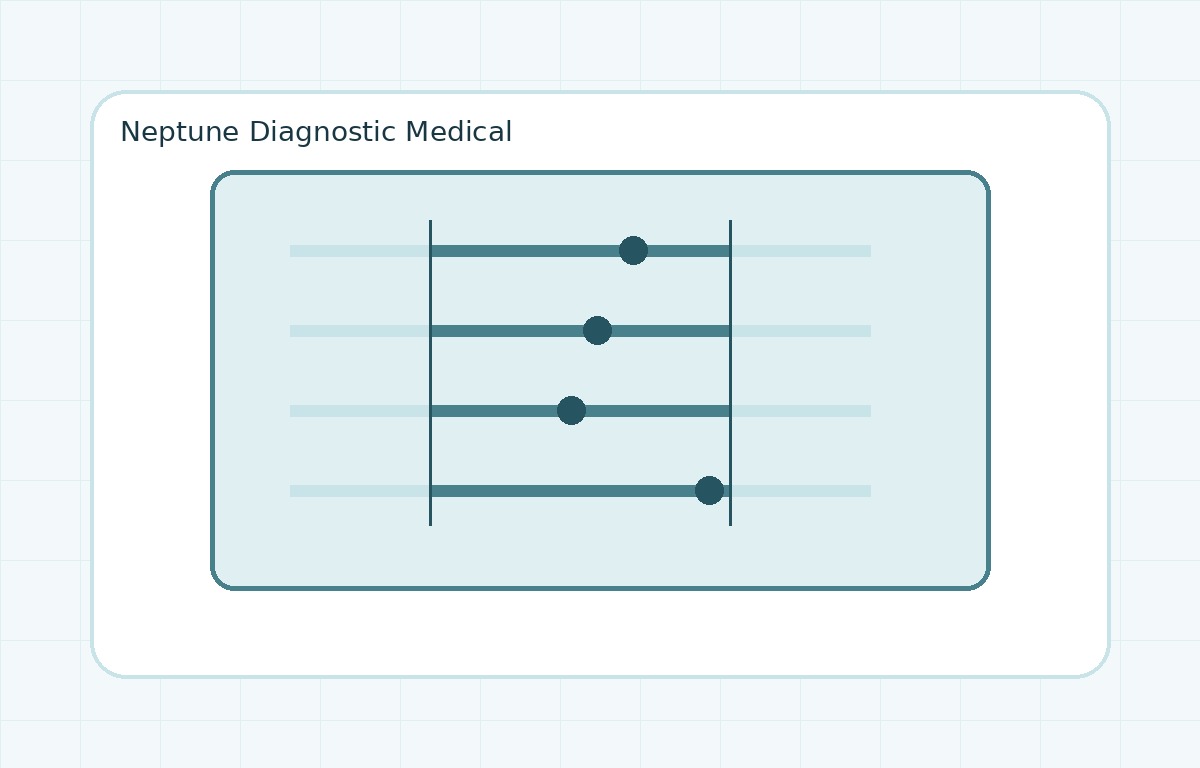
Laboratories may use different equipment, methods and reference populations. That is why a result should be read with the reference interval printed on the same report.
Use results as part of a bigger picture
A laboratory value is not a diagnosis by itself. Questions about abnormal or unexpected results are best discussed with a qualified healthcare professional who can interpret them in context.